



Rugby Pitches, Martial Arts and the iPad Switch-Off: Why My Gen Alpha Kids Aren’t Spoilt, They’re Just Supercharged
 Stephen Licata
As we step into 2026, imagine yourself as a young person in the UK or across Europe—perhaps a Gen Z individual navigating university or early career steps, or a Gen Alpha child immersed in a world where screens and smart assistants are as familiar as playgrounds. Have you ever paused to wonder: What role is artificial intelligence playing in this landscape? Not just as a tool, but as a force weaving through industries, society, and even the fabric of daily learning? Let’s explore this together, step by step, with curiosity as our guide. I’ll pose some thought-provoking questions to help us uncover insights, encouraging you to reflect on your own experiences or observations. Remember, the goal isn’t to arrive at quick conclusions, but to foster a deeper understanding—one question at a time.



Picture a typical Sunday in SW London. The rain is that special British drizzle that somehow gets inside your boots, through the waterproof Dry Robe jacket, but my two youngest – pure Gen Alpha, now both in secondary school – are already on the rugby pitch at 9am. Tackles flying, boots squelching, me on the sidelines with a thermos of herbal tea (no judgement please), shouting encouragement at the local derby game and avoiding being captured by the Veo Camera recording the game. These kids live for it: rugby on Sundays, martial arts mid-week, endless energy and muddy knees. They come home flushed, starving, properly knackered… and then? Straight to the bath, then sofa, screens on, world off.
And that’s the moment I realised: if your child is Gen Alpha (born 2013-2025), you cannot raise them the same way we were raised. Their nervous systems are growing up in a completely different world. They’re the first generation that has never known life without screens. Constant information, constant stimulation, constant input. Their brains are developing inside a fast environment, processing more in a single day than many of us do in a week. Fast, bright, instant – that’s their normal.
They aren’t “spoilt kids.” They’re kids growing up in the most stimulating environment in history.
The Overstimulation Trap (and Why “Spoilt” Misses the Point)
Here’s the thing that stopped me dead one Sunday afternoon. My son had just played a blinder of a game – try scored, man of the match, the lot. We got home, and he demolished a plate of avocado on toast, whilst in front of his iPhone. Forty minutes later, my daughter (equally sport-mad) joined him on her iPhone. Everything seemed calm… until I asked them to unpack the dishwasher and hand out their washed school clothes. Cue the emotional explosion. Not shouting, just a defiance – just between who did it last time, it’s your turn. You get the picture.
They aren’t “spoilt kids.” They’re kids growing up in the most stimulating environment in history. Their brains are used to speed. Waiting feels harder, repetition feels exhausting, boredom feels like stress. Screens aren’t the real enemy; they’re simply the strongest stimulus this generation has. The real problem? Their nervous systems rarely get proper recovery time.
After the rugby pitch or the dojo, after all that brilliant physical output, their bodies need a return to the body – movement, water, food, real human connection. Without that reset, overstimulation builds. Everything seems fine… then boom. Not misbehaviour. Just a nervous system that never paused.
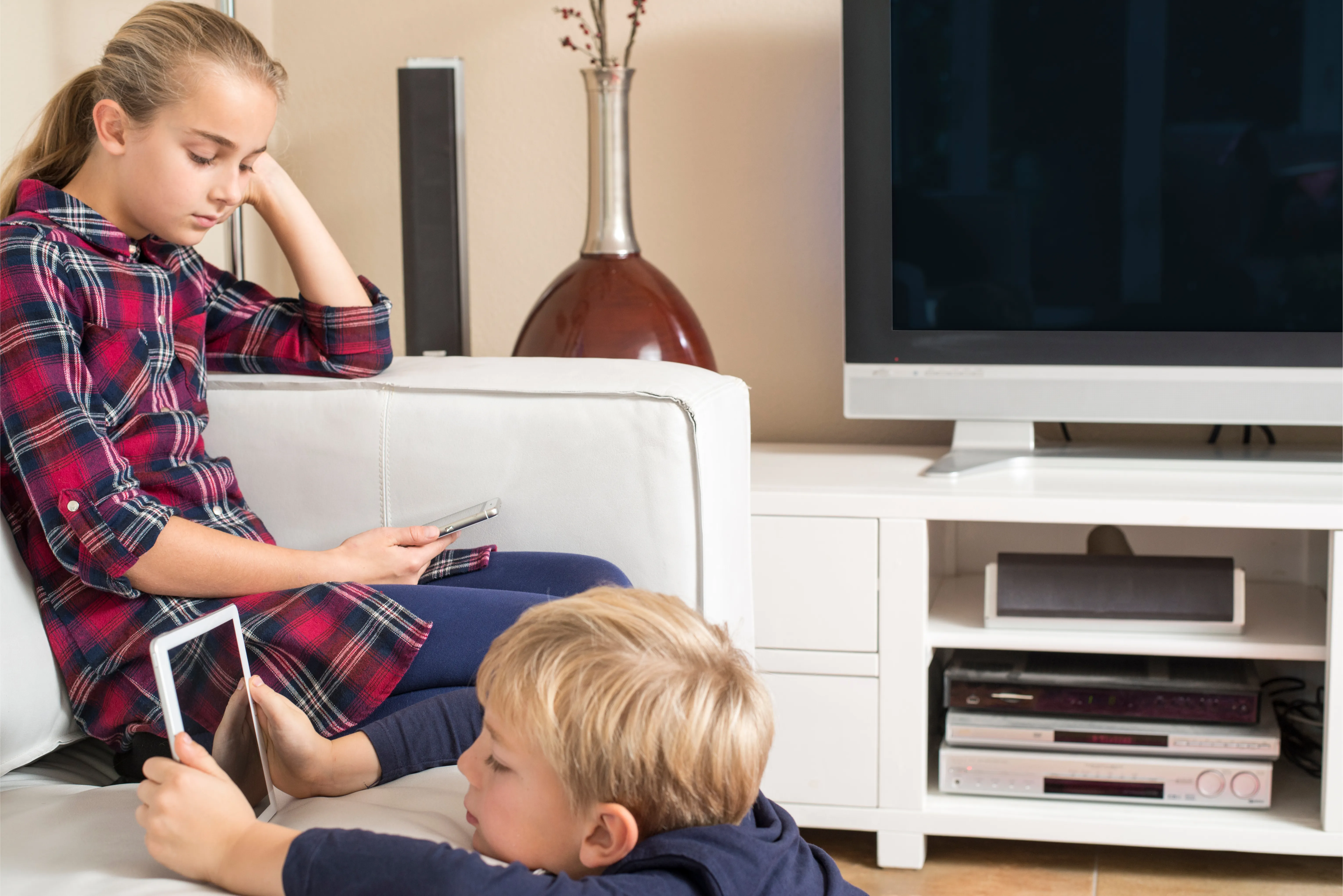
They Feel Deeply – They Just Need Help Holding It
What I’ve noticed (and my French wife keeps gently reminding me) is that Gen Alpha kids often have more words for their emotions than we ever did (at least from my point of view). They can name “overwhelmed,” “overstimulated,” “drained” at eleven years old. But they have fewer tools to regulate them. They feel deeply; they just don’t yet know how to hold those feelings without the feelings holding them.
Logic rarely works first. Connection comes first. A calm adult helps regulate a child’s nervous system before any lesson can even begin. What doesn’t work: shouting, pressure, the old “because I said so.” What does work: predictable rules, calm presence, emotional safety. Authority becomes stability, not fear. Home must become a recovery base – not another place to perform. A place where they can be imperfect, safe and human.
From Pitch to Proper Reset – What Actually Helps
I learned this the hard way, particularly on Saturdays and Sundays when my kids have games or martial arts. My son, who is 11 years old, often has games on Saturday morning for school, and Sunday has back-to-back rugby. They came home buzzing, screens went on, and two hours later, we had full meltdown city over homework. My wife looked at me and said, “Steve, they need to come back to relax first.” or “They do too much sport, they need to rest” She is right (sometimes ;-). It’s just frustrating, as is every Sunday night where we have chaos, they haven’t done homework, or some of their school clothes are still in their kit bags. I’m a firm believer that you have to make your kids independent by making them take responsibility for the rules of the home, like putting their clothes in the washing basket, putting plates in the dishwasher, putting the milk back in the fridge, etc. If they don’t do it, you want to shout and punish them the way your parents did.
So now our rule is simple: after sport, there’s a proper wind-down before screens. Not punishment – recovery. A quick kick-about in the garden with a ball (yes, more movement, but slower), a big glass of water, proper food at the table with actual conversation. Then – and only then – the screens. The difference is night and day. No explosions. Just two knackered but happy kids who can actually switch off when it’s time for bed.
Four Things That Work in Real SW London Life
First, protect the “return to body” window after activity. Ten minutes of rough-and-tumble, a shower, or even just sitting on the sofa with you – no screens – lets their nervous system come down gently. My lot now asks for it.
Second, verify content, don’t just police age. Social media and screens are the generational tool these kids thrive on – they were born fluent. But the real regulation isn’t “you’re too young”; it’s making sure what they see is worth their brilliant, fast-processing brains. I overhear what they are sometimes watching, ask what made them laugh or think. I sometimes question the rubbish they watch, but on the other hand, there is some great content.
Third, keep the home as a safe recovery base. Predictable rules, calm voices, zero pressure to perform. When they walk through the door after school or sports, they know this is the place they can be human – messy, tired, imperfect. That emotional safety is what lets them regulate.
Fourth, model it yourself (easier said than done, as my daughter sometimes says, “Dad, practise what you preach!”). Put your phone away at dinner. Let them see you read the paper, potter in the garden, or just sit quietly with a cup of tea. They copy everything – including the calm.
The Hopeful Bit, From One Exhausted Dad to Another
Look, raising Gen Alpha in SW London is proper hard work. You’re juggling rugby kit, homework, martial arts and a world that moves faster than any of us were ready for. But these kids aren’t “too much.” They’re simply growing up in the most stimulating environment in history. They don’t need fixing. They need clear boundaries, steady adults and a nervous system that feels safe.
My wife and I aren’t getting it perfect – far from it. Some Sundays still end in screen wars and eye-rolls. But when we remember to slow them down after the pitch, verify what they watch, and offer connection before correction… the meltdowns fade, the laughter comes back, and those bright, sport-mad, screen-native brains start to shine again.
So next Sunday, after the tackles and the high-fives, give them the reset they desperately need. The kettle will cool. The family will breathe. And one day they’ll thank you – probably right after they’ve scored another try and asked if they can have “just five more minutes” on the iPad.
Now pass the biltong. We’ve earned it.

Related Content

Want product news and updates?
Sign up for our newsletter.
Permission Statement

I understand that my personal information will not be shared with any third parties, and will only be used to provide me with useful targeted updates. I'm also aware that I can un-subscribe at any point either from each email notification or on My Account screen.


